If you haven’t heard of Harlem, you might want to re-evaluate your streaming choices. This Prime Video series, centered around four Black women living in—you guessed it—Harlem, New York, has been a breath of fresh air in the realm of modern television. As someone who was born and raised in the city, seeing a show set in Harlem with a predominantly Black cast? That’s a win in itself. Unfortunately, season three is also its last (cue dramatic sigh), so we need to talk about it while we still can.
Why do so many Black-led shows get canceled? The unfortunate reality is that networks either feel like our stories have hit their peak, or we, as an audience, don’t engage enough to keep them alive. We’ll debate Baddies for hours, but when it comes to well-written, dynamic Black shows, the discussion is often minimal. So let’s give Harlem its flowers.
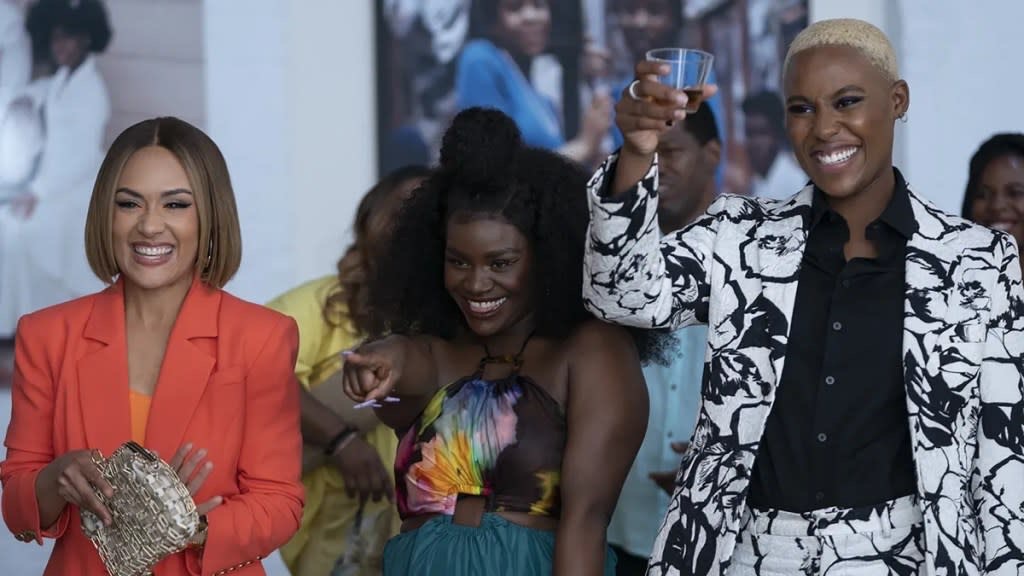
The Beauty of Harlem
At its core, Harlem is reminiscent of Girlfriends and Insecure—a beautifully shot, well-written show about Black women navigating career, friendship, and love. The cinematography is top-tier, the writing is intentional, and most importantly, it portrays Black women as successful and multifaceted.
Too often, Black women in media are stuck in the “struggle love” or “can’t-get-it-together” archetype. If we’re broke, we’re broke-broke. If we’re unlucky in love, we’re unlucky-unlucky. But in Harlem, while the characters experience struggles, they also win—because let’s be real, we have to win somewhere. Every character has a passion, a drive, and a sense of purpose, and that’s what makes the show so engaging.
Now, let’s talk about these characters—some I adore, some I tolerate, and one in particular (side-eyes Ian) who needs to exit stage left.
Quinn: The Hopeless Romantic in Designer Heels
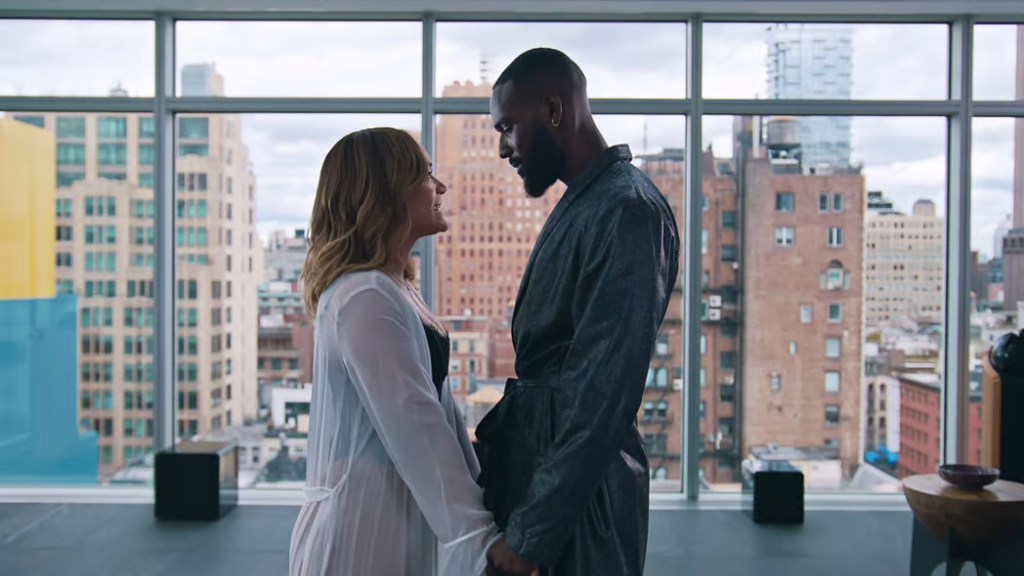
Quinn (played by Grace Byers) is the Charlotte York of Harlem—poised, well-dressed, and hopelessly romantic. Coming from a Caribbean-American background, Quinn is a fashion designer who dabbles in styling this season. I love her because she represents the duality of being the “good girl” with a little edge.
She’s explored different relationships, both with men and women, and while she’s still figuring things out, she does it with grace (pun intended). She’s that friend who always wants love but never settles for less than she deserves—well, almost never.
Camille: Book Smart but Life Dumb
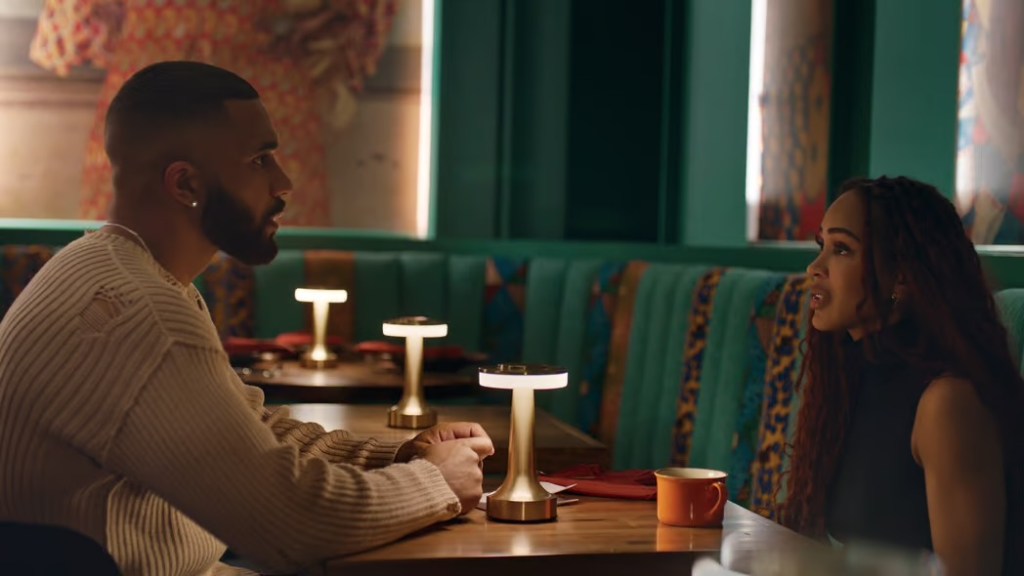
Megan Good’s Camille is an anthropologist and the intellectual of the group. She’s poetic, ambitious, and articulate—to the point where it’s almost self-destructive. Camille can rationalize anything, even when it’s completely irrational.
Her biggest flaw? She cannot, for the life of her, let go of her ex, Ian. He’s played her like a worn-out record, but she keeps pressing replay. And then there’s her mother—emotionally unavailable, self-involved, and about as comforting as a wooden chair. Camille’s real family is her friends, who give her the love and guidance her mother doesn’t.
Ian: The Human Red Flag
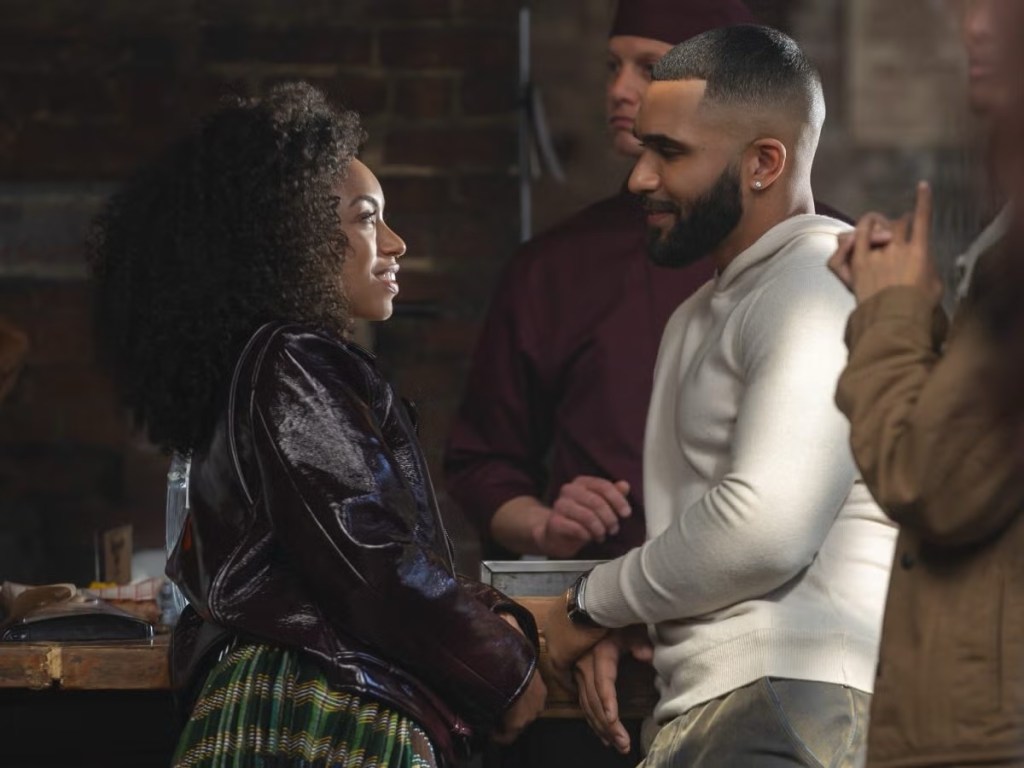
Speaking of Ian (played by Tyler Lepley), he’s Harlem’s version of Mr. Big—but worse. He always has a side chick, an excuse, and a fresh set of lies. He and Camille have history, but history doesn’t mean destiny, and Harlem proves that.
This season, Camille gets her grand finale moment—the one where reality finally slaps her in the face. She ends up pregnant with Ian’s baby (plot twist: he supposedly has trouble having kids), and she has to decide if she’s willing to struggle as a single mother. The show doesn’t sugarcoat the conversation about motherhood—it highlights that choosing yourself isn’t selfish, it’s survival.
Ty: The Cool-But-Complicated One
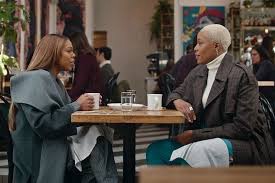
Ty (played by Jerrie Johnson) is the boss chick—tall, fine, successful, and dominant. But beneath the tailored suits and swag, she’s got layers of vulnerability. Society often paints stud women as invincible, but Harlem lets us see Ty’s cracks.
She’s hypersexual, emotionally avoidant, and constantly running from intimacy, but her relationships shine a light on who she really is. I love that the show humanizes her beyond the “cool, bulletproof lesbian” trope.
Angie: The Chaotic Star
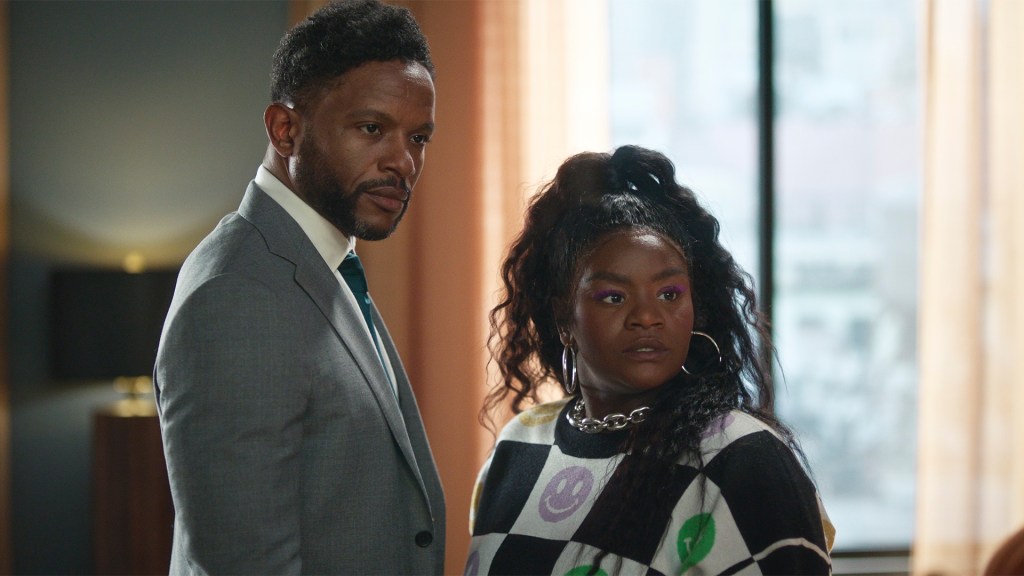
Angie (played by Shoniqua Shandai) is a force. She’s loud, bold, and never apologetic. Unlike the rest of the group, her life is a hot mess—but she owns it. She’s the struggling artist, the dreamer, the friend who never sugarcoats anything.
Angie isn’t perfect, but she’s confident, and sometimes, that’s enough. Watching her navigate career ups and downs while keeping her self-worth intact is inspiring (and hilarious).
Why Harlem Matters
What makes Harlem special is its light-hearted yet real approach to Black womanhood. Unlike Insecure, where friendships had deep cracks and unresolved tension, Harlem keeps the friend group solid. There’s no unnecessary betrayal, no forced drama—just women supporting each other through life’s chaos.
It’s refreshing. It’s relatable. And it’s needed.
We Need to Support Black Shows
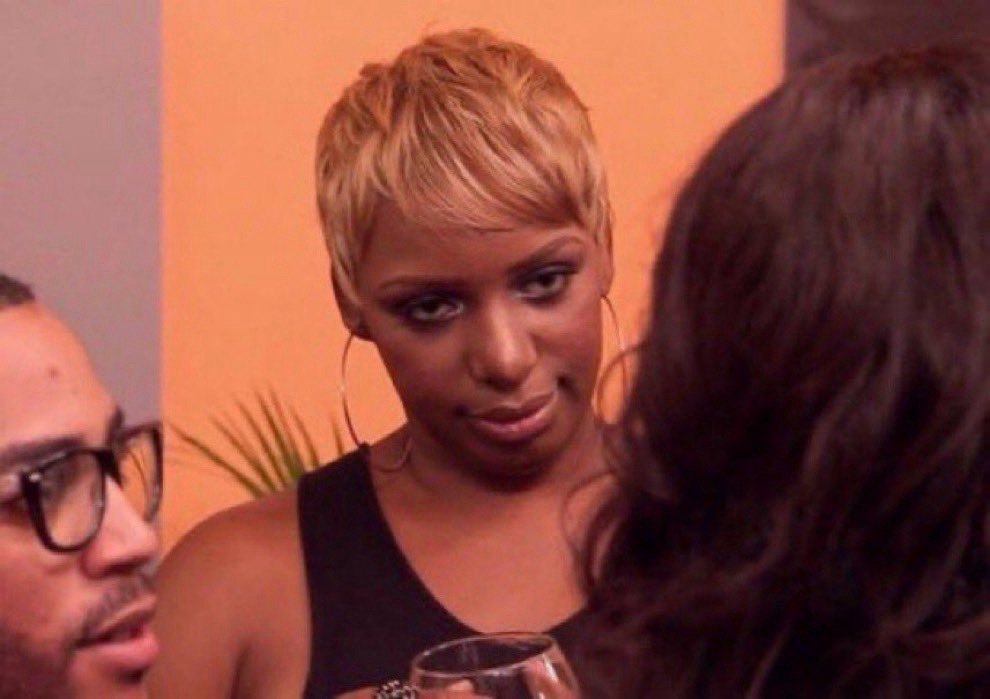
If you loved Harlem, scream about it. Too often, Black shows get canceled because they don’t get the engagement they deserve. Meanwhile, mediocre reality shows get multiple seasons. (No shade… but all shade.)
So let’s celebrate Harlem while we can, rewatch it, talk about it, and demand more shows like it. Because Black women deserve to see themselves winning—on and off the screen.


Leave a Reply